

10 Popular Wedding Styles And How To Choose Yours
Roughly 2 million couples get married in the U.S. every year, and the first real decision most of them face isn't the guest list or the venue. It's the wedding style. Your wedding style sets the visual direction for everything that follows: flowers, lighting, attire, hair, makeup, and how the whole day feels when your guests walk in. Grand View Research found that the U.S. wedding services market hit $64.93 billion in 2024 and continues to grow, largely because couples are investing more in personalized, style-driven experiences.
Wedding styles are the overarching aesthetic or theme you build your day around. A clear style makes vendor conversations faster, venue searches more focused, and design decisions far less stressful. According to Zola's 2026 First Look Report (surveying over 11,500 couples), romantic outdoor garden venues are the number one choice for the second year running, and 53% of all 2026 weddings incorporate green into their color palette. The style you pick shapes those kinds of choices before you even realize it.
I've worked with enough couples to know that most people land on a style instinctively. They just need the vocabulary. Here are the 10 most popular wedding styles right now, what each one actually looks like in practice, and who each one works best for.
Traditional
A traditional wedding is the baseline everything else gets measured against. Clean lines. Muted, timeless colors (think ivory, champagne, navy). A cocktail hour, a seated dinner, a live band or string quartet. Nothing about it screams "2026" and that's the point.
These weddings usually happen in ballrooms, country clubs, or historic hotels. Flower arrangements are full and structured (roses, peonies, hydrangeas). Bridesmaids match. The timeline follows a familiar rhythm that guests over 60 and guests under 30 both understand without explanation.
Zola's 2026 First Look Report (surveying over 11,500 couples) found that Gen Z is actually driving a selective revival of tradition. 51% of engaged couples this year are Gen Z, and many are leaning back into classic elements like large wedding parties and bouquet tosses. Traditional doesn't mean boring. It means proven.
What Makes a Bohemian Wedding Different?
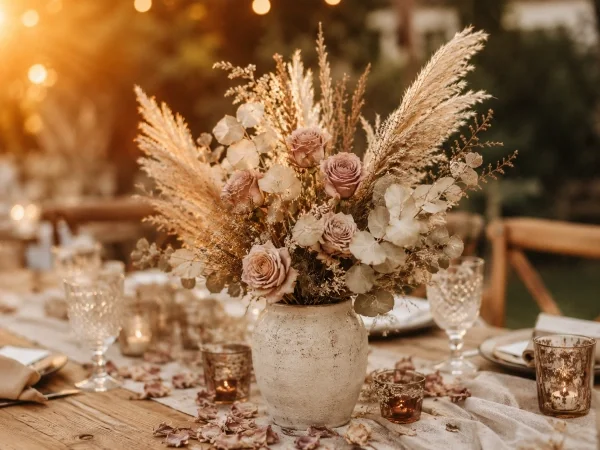
A bohemian (boho) wedding strips away the formality and replaces it with warmth. Sunset tones, dusty blues, sage greens, dried flowers, pampas grass, and mismatched bridesmaid dresses define this style. The vibe leans relaxed and personal.
Garden venues, open fields, and anywhere with natural greenery work best. Naked cakes. Handwritten vows. Bare feet optional but not unusual.
Here's my contrarian take on boho weddings: the "effortless" look is a myth. I've seen couples spend just as much (sometimes more) trying to look casual as traditional couples spend on formality. Boho works when it's genuine to who you are. If you're curating a boho Pinterest board but your actual life is more structured, the mismatch shows. For couples who want bridal hair and makeup in the D.C. area that matches a boho vision, the key is soft, natural texture over stiff, architectural styling.
Modern
Modern weddings favor intention over excess. Every detail earns its place. Succulents instead of flowers. Geometric light fixtures. A monochromatic color scheme (black and white is the most common, but deep navy or all-blush works too).
These weddings thrive in urban spaces: lofts, rooftops, gallery-style venues. Industry trend reports for 2026 note that editorial-style, fashion-forward aesthetics are growing fast, with Gen Z couples treating every detail as "shareable" and visually curated. If your home looks like it belongs in an architecture magazine, a modern wedding is probably your instinct.
One thing to watch: modernity can tip into cold fast. A single warm element (candlelight, wood accents, a handwritten note at each place setting) keeps it from feeling like a showroom.
Glamorous
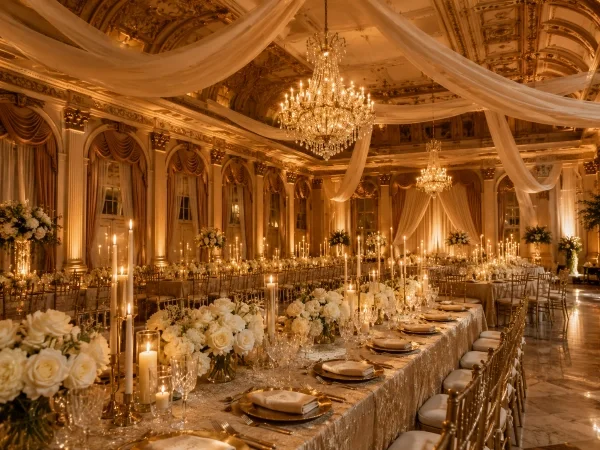
Glamorous is traditionally turned up to full volume. Rich textures, metallic accents, draped fabrics, crystal chandeliers. Everything catches light. Ballrooms are the natural home for this style because the architecture does half the work.
This is the style where hair and makeup matter most. A glamorous wedding calls for polished, camera-ready beauty that holds for 8 to 12 hours. Industry surveys consistently show that roughly 73% of couples hire professional beauty services, and that number likely skews even higher for glamorous weddings where the visual bar is set at "magazine editorial." The Wedding Industry Professionals Association emphasizes that hiring experienced vendors is one of the best ways to match execution to vision.
If you're drawn to luxury but worry it'll feel impersonal, scale the glam to your guest count. Glamorous works differently at 50 guests than at 250.
Is a Romantic Style the Same as Traditional?
Not quite. A romantic wedding borrows the elegance of traditional but dials up the softness. Blush tones, pastels, candlelight, flowing fabrics, fresh garden roses. Where traditional is structured, romantic is airy.
Vineyards and ballrooms with natural light suit this style best. Live music (think acoustic guitar or a jazz trio, not a DJ) rounds out the atmosphere. Bridesmaids typically wear flowing, softer silhouettes.
For 2026 specifically, Zola's report found that the broader wedding aesthetic is "moving in a more romantic, rooted-in-nature direction," with sage green (chosen by 30% of couples) leading the color trend. Romantic style is having its moment.
Rustic
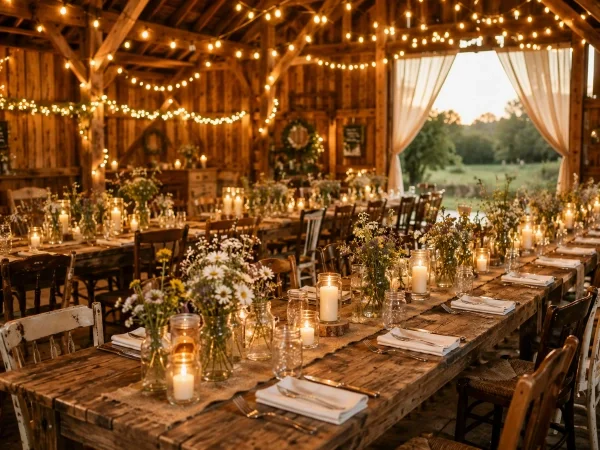
Rustic weddings lean on natural materials and unpretentious settings. Barns, farms, vineyards, or any venue with exposed wood and character. Burlap, lace, mason jars, wildflowers, and warm earth tones are the building blocks.
The appeal is obvious. The venue does most of the decorating, which simplifies planning. But rustic doesn't mean cheap or easy. The gap between "charming barn wedding" and "we're eating dinner in a barn" comes down to intentional details: proper lighting, quality linens, and professional coordination.
Rustic hair and makeup should complement the setting without fighting it. Loose waves, natural skin, and a look that photographs well outdoors (where lighting is unpredictable) is the goal. A team that understands outdoor venue conditions makes a real difference.
Natural
Think of a natural wedding as rustic's more refined sibling. The color palette stays neutral (ivory, white, cream) with tons of greenery. No barnyard textures, no country elements. Just clean, organic simplicity.
Wood, twine, and linen add subtle texture. Outdoor venues work best, but a greenhouse or conservatory gives you the look with weather protection. This style photographs beautifully because the couple becomes the focal point against an understated backdrop.
Natural is the easiest style to get wrong by overthinking it. Add too many "natural" elements and it starts looking like a craft project. The discipline here is restraint.
How Do You Pull Off a Vintage Wedding Without It Looking Dated?
This is the question nobody asks but should. Vintage weddings reference a specific era (Victorian, 1920s, mid-century) without turning the wedding into a costume party. Antiques, lace, muted metallics, and warm amber lighting set the tone.
Historic courthouses, old estates, and venues with architectural character are the best fit. Arriving or leaving in a vintage car is still one of the strongest visual moments any couple can plan.
The trick is blending, not replicating. One or two era-specific details (art nouveau typography on the invitations, a grandmother's brooch pinned to the bouquet) paired with modern everything else. According to Zola's 2026 data, vintage decor is seeing a clear rise this year, with couples blending eras rather than committing to a single period. That's the right instinct.
Art Deco
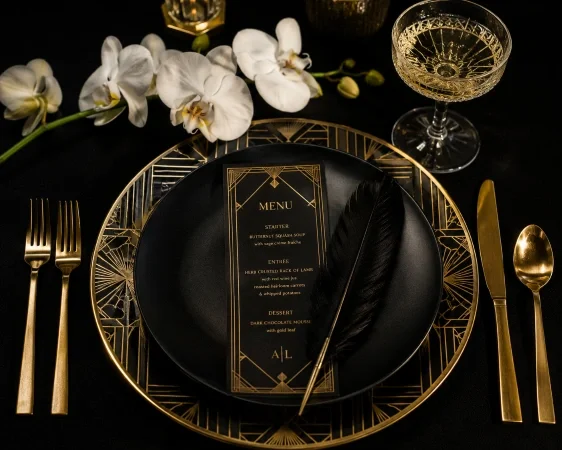
Art deco pulls from the 1920s but leans glamorous rather than quaint. Black and gold. Geometric patterns. Feathered centerpieces. Champagne towers. If vintage is a quiet nod to the past, art deco is a loud toast to it.
Rooftops, upscale ballrooms, and speakeasy-style venues are ideal. Live jazz. Bold typography on invitations. The beauty approach matches the drama: defined lips, sculpted brows, sleek buns or Hollywood waves. A professional hair and makeup artist who knows period-inspired looks can make this style feel intentional rather than like a themed party.
Art deco is a commitment. Half-measures look confused. If you go this direction, go fully.
What's a Whimsical Wedding Actually Like?
A whimsical wedding takes the fairy-tale idea seriously without making it childish. Lush greenery, fluffy gowns, pinks and purples, and an overall dreamlike quality. Forest venues, greenhouses, and gardens with overgrown character are ideal.
This style gives you the most creative freedom because the "rules" are loose. Unexpected flower walls. Mismatched china. Handmade elements that feel personal, not Pinterest-generic.
The risk with whimsical is losing focus. Without a unifying color palette or one strong design element tying everything together, it can drift from "fairy tale" to "flea market." Pick one anchor (a signature color, a recurring motif, a specific floral) and let everything else orbit around it.
Your wedding style isn't a test with a right answer. It's a filter that makes a thousand smaller decisions easier. Pick the one that feels like you on a Saturday night, not the one that looks best in someone else's Instagram grid. And if you're torn between two styles, that usually means one of them is who you are and the other is who you think you should be. Go with the first one. The couples I've worked with who trusted their gut over trends never regret it, and the ones who work with a team that understands their vision end up with results that photograph as well as they feel.
FAQs
How do I choose a wedding style that fits my personality?
Start with how you live, not how you scroll. Look at your home, your wardrobe, and the restaurants you pick for date nights. Couples who choose wedding styles based on their actual taste (rather than trending aesthetics) report higher satisfaction with their final design. If you're stuck between two styles, lean toward the one that matches your everyday life rather than the one you've only seen online.
Can I mix two different wedding styles together?
Yes, and most couples do to some degree. The key is picking one dominant style and borrowing one or two elements from another. For example, a traditional wedding with bohemian florals works. A wedding that tries to be simultaneously rustic, glamorous, and modern usually feels disjointed. One anchor style, one accent.
What are the most popular wedding styles in 2026?
Romantic and garden-inspired wedding styles lead in 2026, according to Zola's survey of 11,500 couples. Sage green is the top color choice (used by 30% of couples), and outdoor garden venues are the number one venue type for the second consecutive year. Vintage decor and personalized details are also rising sharply.
Does my wedding style affect my hair and makeup choices?
Absolutely. A glamorous wedding calls for polished, editorial beauty that photographs well under ballroom lighting. A bohemian wedding suits softer, more natural texture. A vintage wedding may call for era-specific looks like Hollywood waves or sculpted chignons. Your beauty team should know your style before your trial appointment so every element feels connected.
What wedding style works best for outdoor venues?
Bohemian, rustic, natural, and whimsical styles all translate well to outdoor venues. The common thread is that these styles use the natural environment as part of the design rather than competing with it. Traditional and glamorous styles can work outdoors too, but they typically require more decor and infrastructure (tent, flooring, lighting) to achieve the right atmosphere.
Do wedding styles affect how much couples spend?
Spending varies more by execution than by style name. A rustic barn wedding with premium catering and a live band can cost the same as a ballroom wedding with buffet service. According to Zola's 2026 data, the average wedding holds steady at $36,000, and 84% of couples believe their wedding costs more than the identical event would have two years ago. Style alone doesn't dictate the budget.
Is it outdated to choose a traditional wedding style?
No. Traditional weddings remain popular precisely because they're legible to every guest and age group. Zola's 2026 report found that Gen Z couples (now 51% of engaged couples) are actually reviving classic wedding elements like large wedding parties and structured ceremonies. Traditional isn't trendy, but it's consistently the style people regret least.