

Matte Vs. Dewy Wedding Makeup: Which Finish Lasts
Most brides pick their wedding makeup finish based on a Pinterest photo. That's the wrong starting point. The finish that looks luminous in a studio headshot can turn into a greasy mess four hours into a July reception. And a matte look that photographs clean under flash can pull dry and flat in soft outdoor light.
Wedding makeup that actually works is about matching the finish to your skin, your venue, and the conditions of your specific day. The bridal makeup segment accounts for roughly 32% of the global makeup artist services market, according to industry research published in 2025. That tells you how big this decision is for the industry. For you, it's personal.
I've worked across enough weddings to say this with confidence: the right finish isn't matte or dewy. It's the one your skin can hold for eight or more hours without needing a full reset. We won't cover product brand recommendations or color matching here. That's a separate conversation with your artist.
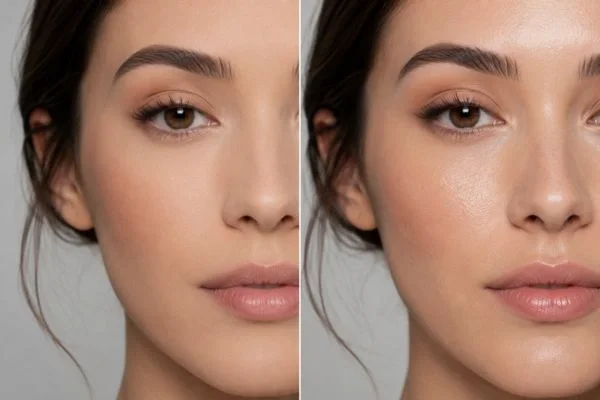
What's the Real Difference Between Matte and Dewy Wedding Makeup?
The difference comes down to how your skin interacts with light.
Dewy makeup reflects light. Skin looks hydrated, luminous, and fresh. It creates dimension on camera and gives that "just had the best facial" effect. Matte makeup absorbs light. Skin looks smoother, more even, and controlled. It tends to hold shape longer without visible breakdown.
Neither is better. "Dewy" doesn't mean greasy, and "matte" doesn't mean cakey. Those are signs of poor application, not a flaw in the finish itself. A well-applied matte look still has life to it. A well-applied dewy look still has control.
The confusion happens because social media shows both finishes in studio lighting with professional retouching. Your wedding day has outdoor sun, flash photography, crying, hugging, dancing, and 90-degree heat (if you're in the DC area between May and September). The finish has to survive all of it.
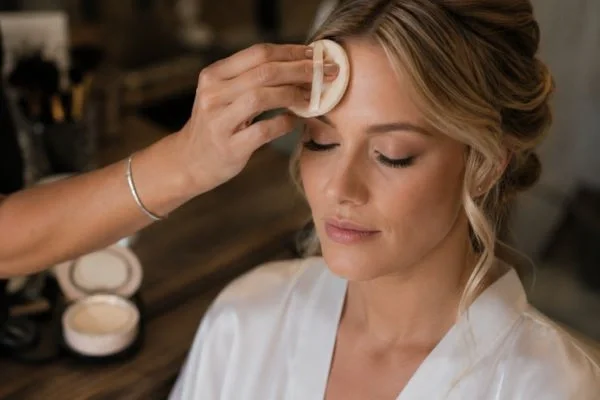
When Matte Wedding Makeup Works Best
Matte performs strongest when longevity and oil control matter more than luminosity. If your skin gets shiny within a few hours of application, a matte base will hold its shape longer with fewer touch-ups.
It's also the better call for indoor receptions with flash photography. Flash bounces off dewy skin and can create hot spots in photos, especially across the forehead, nose, and chin. Matte absorbs that light and keeps the image clean.
I've seen brides regret choosing dewy for summer outdoor weddings in the Southeast specifically because humidity broke down the finish before the first look photos were even done. Matte gives you a longer runway in heat.
Getting a Matte Finish That Doesn't Look Flat
The fear with matte is the "mask" effect. Flat, lifeless, one-dimensional. That happens when someone overpowers the skin with powder. Modern matte formulas are lightweight and allow skin to breathe. The technique matters more than the product.
Start with a mattifying primer on the T-zone only, not the entire face. Use a matte foundation in thin, blended layers. Set with a finely milled translucent powder, again focusing on the T-zone and chin. Leave the high points of the cheeks and temples without heavy powder so the skin retains natural dimension.
Your face should look controlled, not suffocated.
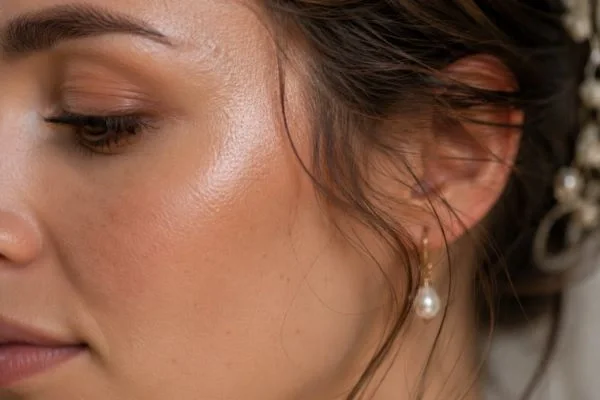
When Dewy Wedding Makeup Is the Right Call
Dewy dominates the 2025 and 2026 trend cycle. The "skin-first" movement has pushed brides toward radiant, hydrated finishes that look natural and modern. According to Vogue's 2025 wedding beauty report, the industry has shifted away from heavy coverage in favor of lightweight, luminous formulas designed to mimic healthy skin.
Dewy works best for brides with normal to dry skin. If your skin tends to look dull or textured under matte products, a dewy base can bring it back to life in photos. It's also a strong choice for daytime ceremonies in soft natural light, where the glow reads as fresh rather than shiny.
But dewy isn't a "set and forget" finish. It needs control.
Getting a Dewy Glow Without the Shine
The line between "glowing" and "sweating" is thinner than most brides realize. Strategic placement is everything.
Prep with a hydrating primer, then apply a luminous foundation. Add cream highlighter only to the high points: cheekbones, brow bone, and a tiny dot on the cupid's bow. The T-zone stays neutral or lightly powdered.
A setting spray formulated for long wear locks the glow in place. Skip the heavy powdering. One of the biggest mistakes artists see on Reddit threads and in trial consultations is brides who love dewy, then panic and over-powder before the ceremony, killing the entire effect.
If you have oily skin but still want radiance, the answer isn't to avoid dewy entirely. It's to use a matte primer on the center of the face and allow glow only on the outer high points. That hybrid technique gives you control where you need it and luminosity where it photographs best.
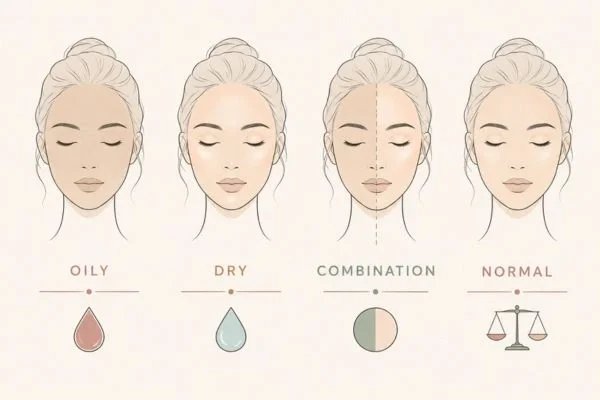
Which Finish Works Best for Your Skin Type?
Oily Skin
Best Primary Finish: Matte or soft matte
Why: Controls shine and lasts longer
Watch Out For: Can look flat without dimension on the cheeks
Dry Skin
Best Primary Finish: Dewy
Why: Adds hydration and helps mask texture
Watch Out For: Can cling to flaky patches if the skin is not prepped properly
Combination Skin
Best Primary Finish: Hybrid (matte T-zone, dewy cheeks)
Why: Balances oil and hydration by zone
Watch Out For: Requires more precise application
Normal Skin
Best Primary Finish: Either (personal preference)
Why: Skin holds both finishes well
Watch Out For: Over-applying product when it is not needed
The most common skin type among brides I work with is combination. And the most common mistake is choosing one finish for the entire face instead of treating different zones differently. Your forehead and your cheekbone don't behave the same way. Your wedding day hair and makeup artist should be mapping your face, not applying one blanket approach.
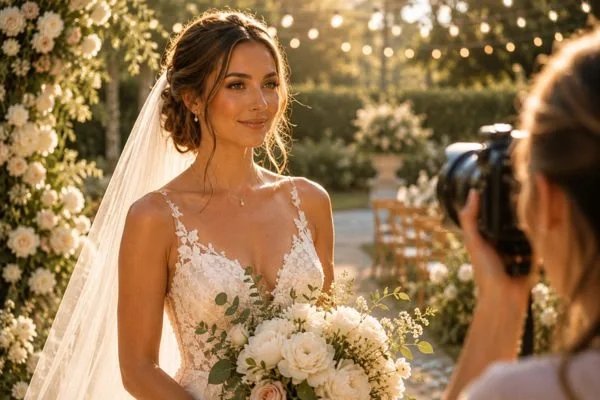
How Do Weather and Lighting Affect Your Wedding Makeup?
More than most brides expect.
Humidity breaks down dewy finishes faster because the skin is already producing moisture. A bride wearing a full dewy base at an outdoor August wedding can look visibly oily within two hours. Matte or hybrid finishes hold up better in temperatures above 80 degrees.
Dry or cold climates create the opposite problem. Matte products can settle into fine lines and make skin look tight or chalky. A satin or dewy finish works better in fall and winter weddings because it keeps the skin looking alive.
Flash photography favors matte. Natural light favors dewy. If your day includes both (ceremony outdoors, reception indoors with a photo booth), talk to your artist about how the finish will transition. A good setting spray can bridge the gap, but only if your artist plans for it during the trial.
The trial is where all of this gets tested. And skipping it is, by far, the most expensive mistake in wedding makeup. You can schedule a trial with a bridal makeup team in the DC area to test both finishes under real conditions before you commit.
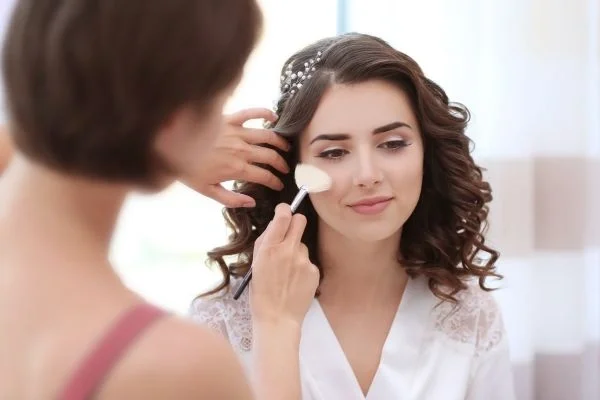
Why Most Makeup Artists Use a Hybrid Finish
Here's what the matte vs. dewy debate usually misses: almost no experienced artist applies a single finish across the entire face anymore.
The modern approach is hybrid. Matte where you need control (forehead, nose, chin). Dewy where you want dimension (cheekbones, temples, above the lip). This gives you longevity in the zones that break down first and radiance in the zones that photograph best.
It's also more forgiving. If humidity creeps in, the matte zones hold. If the air dries out, the dewy zones keep your skin looking fresh. Industry professionals consistently recommend this balanced approach because it adapts to real conditions, not studio conditions.
Brides who invest in professional bridal makeup and communicate openly during the trial end up with a finish that looks intentional from the first photo to the last dance. The brides who pick a finish from a Pinterest board and never test it are the ones calling their artist in a panic at 6 a.m. on the wedding morning. Start with your skin. Test it in real light. Trust the process, and work with someone who knows how to build visibility for beauty professionals the same way they build a flawless face: one strategic layer at a time.
Frequently Asked Questions
How do I make dewy wedding makeup last all day at a hot outdoor wedding?
Use a mattifying primer on your T-zone and apply dewy products only to the cheekbones and temples. Finish with a long-wear setting spray, not powder. In humid conditions, this hybrid approach keeps the glow controlled. Artists who work outdoor summer weddings in the DC area recommend testing this exact setup during your trial.
Will matte wedding makeup make me look older in photos?
It can if it's over-applied. Heavy powder settles into fine lines and makes skin look flat. Modern matte formulas are lightweight and avoid that effect. The key is applying matte selectively (T-zone and chin) and leaving the cheeks with a bit of natural dimension. A skilled artist adjusts by face zone rather than coating everything in the same finish.
Can I mix matte and dewy elements in my wedding makeup?
Yes, and most experienced bridal makeup artists do exactly this. A hybrid approach uses matte control on the forehead, nose, and chin while allowing dewy radiance on the cheekbones and temples. The bridal makeup segment makes up roughly 32% of the global makeup artist services market, and the hybrid technique has become the dominant professional method.
What wedding makeup finish photographs best with flash?
Matte generally performs better under flash because it absorbs light rather than reflecting it. Dewy finishes can create hot spots on the forehead and nose in flash photos. If your reception involves a photo booth or indoor flash photography, ask your artist to keep the center of your face on the matte side.
How far in advance should I start prepping my skin for wedding makeup?
Start a consistent skincare routine three to four months before your wedding. For dewy finishes, focus on hydration (serums, moisturizing masks). For matte finishes, focus on oil control and gentle exfoliation. Schedule your makeup trial six to eight weeks before the wedding so you can test how your prep work affects the final result.
What if my trial makeup doesn't match what I wanted?
That's exactly what the trial is for. Communicate what didn't work and be specific. "Too shiny on my forehead" is more useful feedback than "I didn't like it." Most artists prefer honest reactions during the trial. A second trial may be needed for major changes, so build that possibility into your timeline.