

The biggest wedding hair mistake has nothing to do with choosing the wrong updo. It's skipping the prep work that makes any style hold up from the ceremony through the last dance. Roughly 73% of couples hire a professional stylist for their wedding day, according to The Knot's 2026 Real Weddings Study. That means about one in four brides still go without one. And even brides who do hire a pro often sabotage their own results with avoidable errors weeks or months before the event.
Wedding hair that looks flawless in photos and survives an eight-hour day requires more than a talented stylist. It requires planning, honest communication, and the kind of hair prep most brides don't think about until it's too late.
This article covers the five mistakes I see most often (and what to do instead). We won't get into specific hairstyle tutorials or color theory. That's a different conversation.
Why Your Wedding Hair Trial Isn't Optional
A wedding hair trial is the single most important appointment on your beauty timeline. It's also the one brides cut first when budgets get tight or calendars fill up.
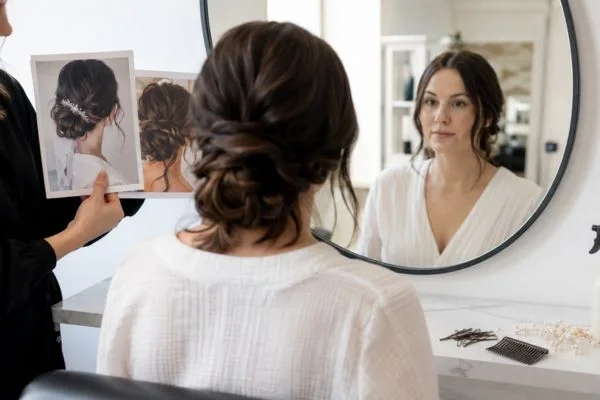
That's a mistake I've watched play out dozens of times. A bride shows up on the morning of her wedding, shows her stylist a Pinterest photo, and the result doesn't match. Not because the stylist lacks skill, but because nobody tested how that style actually works with her hair density, face shape, or headpiece. You can avoid this entirely by booking a consultation with experienced wedding hair artists well before your date.
Schedule your trial six to eight weeks before the wedding. Bring your veil, any clips or pins you plan to wear, and reference photos. Wear the trial style for a few hours afterward. If it falls flat by dinner, it won't survive a reception.
Should You Fight Your Natural Hair Texture?
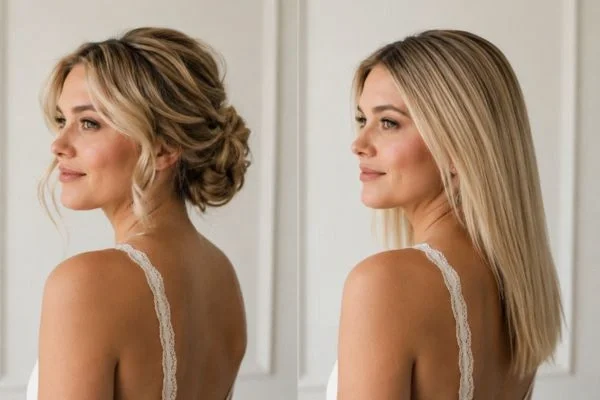
Here's the contrarian take most bridal blogs won't give you: stop fighting your texture. The 2026 trend data confirms it. Brides are moving toward lived-in textures, soft movement, and natural volume rather than overly stiff, shellacked styles.
Forcing pin-straight hair into tight curls (or coercing curly hair into a sleek blowout) requires heavy product and aggressive heat. Both create problems. Heavy product builds up, weighs hair down by mid-reception. Aggressive heat on fine hair causes breakage you'll see in close-up photos.
Work with what you have. If your hair holds a wave naturally, build on that. If it's thick and curly, a textured updo will feel more secure and look better eight hours in than a blown-out style that fights your curl pattern all day.
Talk to your stylist about your hair's actual behavior, not just what you want it to look like. An honest conversation during your trial about professional hair and makeup services will save you stress on the morning of your wedding.
How Does Weather Wreck Wedding Hair?
Humidity is the number one style killer, and most brides don't plan for it until they're standing in 85% humidity watching their curls drop.
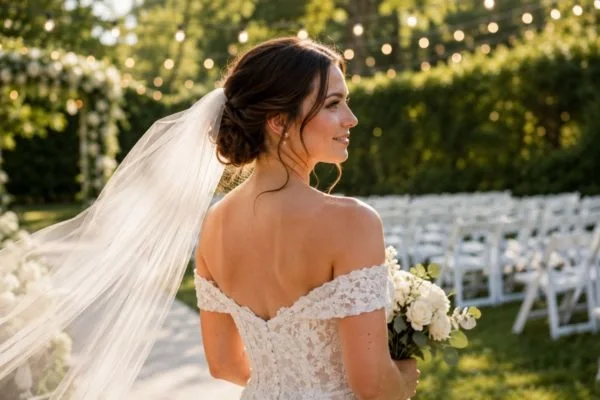
Southeast and coastal venues are especially brutal. A style that is held perfectly in an air-conditioned salon can fall apart within 30 minutes outside. The fix isn't more hairspray. It's choosing a style that works with moisture rather than against it. Secure updos, braided elements, and pinned half-up styles all outperform loose waves in humid conditions.
According to The Knot's 2026 wedding hair trends report, romantic updos and sleek buns are among the most requested styles this year, partly because they last longer in unpredictable weather.
Wind is the other factor brides overlook. Outdoor ceremonies near water or at elevation need styles with anchoring. Bobby pins alone won't cut it. Ask your stylist for structural support (internal pins, teasing at the base, or a hidden net) if you're outside for more than the ceremony.
Pack a touch-up kit: a small comb, bobby pins that match your hair color, and a travel-size finishing spray. Better yet, ask your stylist if they offer on-site touch-ups between the ceremony and reception.
Matching Your Hairstyle to Your Dress
Your hairstyle and your dress either amplify each other or compete. Brides who pick a hairstyle in isolation, without considering the neckline, back detail, or accessories, end up with a look that feels disconnected in photos.
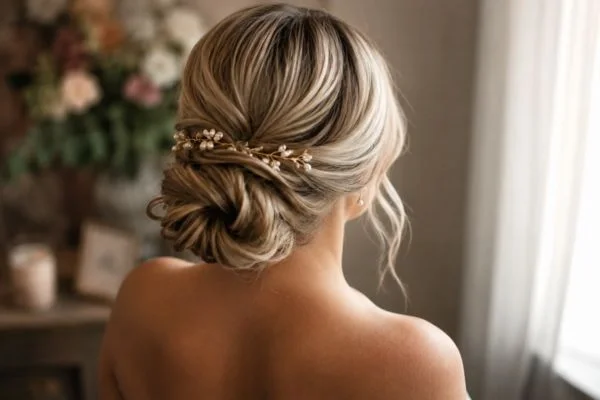
A high-neck or detailed-back gown looks best with hair up or swept to one side. The dress is doing the work, and the hair shouldn't cover it. Strapless or off-the-shoulder silhouettes give you more freedom. Loose waves, a textured half-up style, or a low bun all work.
Veils and headpieces add another variable. A cathedral veil needs a style sturdy enough to hold its weight. A delicate hair vine works best with softer, looser looks. Bring all of your accessories to the trial. Not just the veil, but earrings, a necklace, anything near your face and hair.
You can see how different styles pair with different looks by browsing real bridal portfolios from working stylists. That context is more useful than a generic mood board.
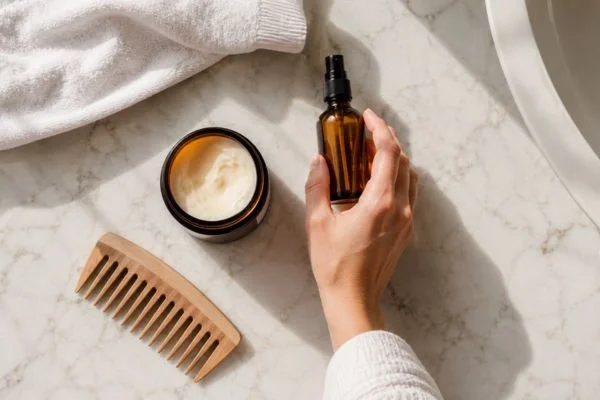
Pre-Wedding Hair Care That Actually Pays Off
Great wedding hair starts months before the wedding day. Damaged, dry, or overtreated hair limits what any stylist can do, no matter how skilled they are.
Start a simple routine three to four months out: regular trims (every six to eight weeks), a weekly deep-conditioning mask, and a heat protectant every time you use a styling tool. That's it. You don't need a 12-step regimen.
The bigger mistake is making drastic changes too close to the date. One artist specifically warns against major color changes or keratin treatments within two to three weeks of the wedding because they can alter your hair's texture and behavior unpredictably. Stick to root touch-ups and light trims inside that window.
And here's the tip most brides forget: don't wash your hair the morning of. Second-day hair has natural oils and grip that hold styles far better than freshly washed hair. Come to your appointment with clean, dry hair that hasn't been washed for one to two days.
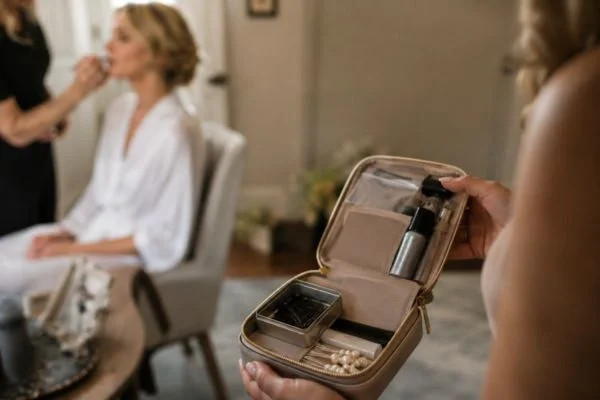
Wedding Day Hair Tips Most Brides Miss
A few final things that can make or break your wedding hair, and most of them have nothing to do with the style itself.
Communicate your full timeline. Tell your stylist what time the ceremony starts, whether there's an outdoor portion, and how long between getting ready and the first photo. This changes product choices.
Test extensions before the day. Clip-in extensions are popular for adding volume, and the hair extension market is projected to nearly double by 2034. But wearing them for the first time on your wedding day is a gamble. Test them during your trial.
Have a backup style in mind. If something isn't working the morning of, having a second option prevents panic. Discuss the backup at your trial too.
Your wedding hair is one of the most photographed parts of your day. The brides who work with a dedicated bridal hair team and put in the prep work beforehand are the ones who look back at their photos and love what they see. Start early, be honest with your stylist, and don't skip the trial. Everything else is fixable.
Frequently Asked Questions
How far in advance should I book my wedding hair stylist?
Book 12 to 18 months ahead if you're in a competitive market. Top wedding hair stylists in busy metro areas fill their calendars 1.5 to 2 years out, according to The Knot. Even in smaller markets, booking 6 to 12 months early gives you time to schedule a proper trial and make adjustments.
Should I wash my hair the morning of my wedding?
No. Second-day hair holds styles significantly better because natural oils give your hair grip and texture. Freshly washed hair is slippery and harder to pin. Come to your appointment with clean, dry hair that hasn't been washed for one to two days. Avoid deep conditioning treatments the week of as well, since they can make hair too soft to hold curls or an updo.
Are clip-in hair extensions worth it for a wedding?
Yes, if you trial them first. Clip-in extensions are one of the most popular ways to add volume for wedding hair, and the global hair extension market is projected to reach $5.54 billion by 2034. But wearing extensions for the first time on your wedding day risks discomfort and visible clips in photos. Install them a few weeks ahead and wear them for several hours to test comfort and blending.
What wedding hair styles hold up best in humidity?
Secure updos, braided elements, and pinned half-up styles all outperform loose waves in humid conditions. The key is structural support (pins, teasing at the base, nets) combined with humidity-resistant products. If your venue is outdoors in a coastal or Southern climate, discuss weather-specific product choices with your stylist during the trial.
How much does a wedding hair trial typically include?
A standard wedding hair trial includes testing two to three styles, trying your veil or headpiece with each option, and taking photos so you can review the look in different lighting. Bring all accessories you plan to wear. Many brides also test the longevity of their chosen style by wearing it for several hours after the trial appointment.
Can I change my wedding hairstyle after the trial?
Absolutely. The trial exists so you can make changes before the wedding day, not on it. If something didn't work, communicate that to your stylist clearly. Most stylists prefer honest feedback. A second trial may be needed for significant changes, so factor that into your timeline.