

How The Right Wedding Makeup Gives You Real Confidence
Professional wedding makeup does something most brides don't expect. It doesn't just change how you look. It changes how you carry yourself through the entire day. I've watched hundreds of brides sit down in a makeup chair nervous, distracted, running through checklists in their heads. And I've watched those same brides stand up 45 minutes later walking taller, breathing slower, and actually smiling. That shift isn't about foundation or lip color. It's about feeling ready.
Wedding makeup is a professional beauty service tailored specifically for your wedding day, designed to match your skin tone, personal style, venue lighting, and photography needs while lasting through hours of tears, hugs, dancing, and weather. When done right by a skilled artist, it becomes one of the most confidence-building parts of your entire wedding morning.
That's the part nobody talks about enough. So let's get into it.
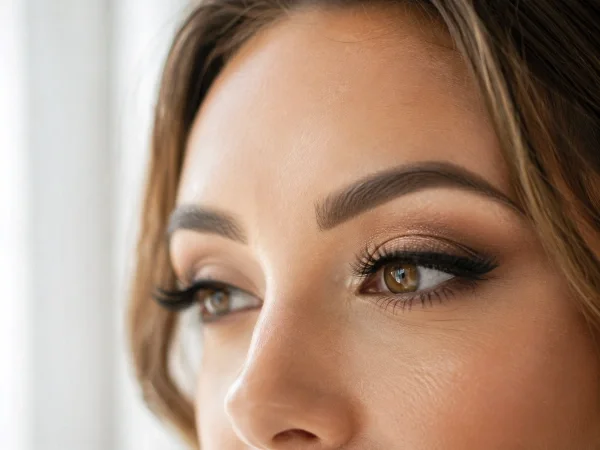
What Does Wedding Makeup Actually Do for Confidence?
There's real science behind this, not just bridal blog fluff. A 2024 study in the International Journal of Advanced Research found that wearing makeup increases self-confidence and improves how others perceive you in social settings. The researchers called it the "makeup effect," and it's strongest when the motivation is internal (feeling good about yourself) rather than external (trying to impress someone). Separate peer-reviewed research on makeup and self-perception published through the National Institutes of Health reinforced similar findings around self-esteem and body image.
On your wedding day, you're the center of attention for 6 to 10 straight hours. Every guest is looking at you. Every photo is framed around you. That's a lot of pressure, and most brides feel it. The right wedding makeup doesn't mask that pressure. It gives you one less thing to worry about, which frees you up to actually be present.
I've seen brides who were shaking with nerves before their makeup session finish with a calm, grounded energy. That's not magic. That's preparation meeting confidence.
Why the Trial Run Matters More Than the Wedding Day Application
Most industry advice says "book a trial." I'll go further. The trial is more important than the day-of appointment.
On your wedding morning, you don't have time to experiment. You don't have time to say "actually, can we try something different?" and start over. By that point, you should already know exactly what you're getting, because you've already seen it, worn it, photographed it, and signed off on it.
A good trial does four things. It confirms your color match under different lighting. It tests how the products wear on your specific skin type over several hours. It lets you and your bridal hair and makeup artist in Washington DC build a working relationship before the high-pressure morning. And it catches problems (allergic reactions, product breakdown, clashing tones in photos) weeks before they can ruin anything.
Brides who skip the trial almost always regret it. Not because the artist did a bad job, but because there was no feedback loop. You're gambling on a single attempt for the most photographed day of your life. That's a risk that doesn't make sense.
Does Professional Wedding Makeup Really Last All Day?
Short answer: yes, if the artist knows what they're doing and uses the right method for your venue.
Airbrush application gives you a camera-ready, lightweight finish that holds up well in humidity and heat. It's a strong choice for outdoor ceremonies or summer weddings. Traditional brush and sponge application offers more natural blending and a skin-like feel, but it needs proper setting products (primer, setting spray, powder) to survive a full day.
The real issue isn't which method you pick. It's whether your artist matches the technique to the conditions. A 2026 industry report on bridal trends put it well: success for bridal makeup artists comes from preparation, high-quality products, and client-focused service. That means your artist should be asking about your venue, the time of year, indoor vs. outdoor ceremony, and how much crying you're planning to do (joke, but also not really).
Drugstore products don't hold up. I've heard too many stories from artists who've been called in for emergency fixes because the original application used consumer-grade products that broke down within two hours. Professional-grade, long-wear formulas exist for a reason. They're designed to handle sweat, tears, and a full day of hugging 150 people.
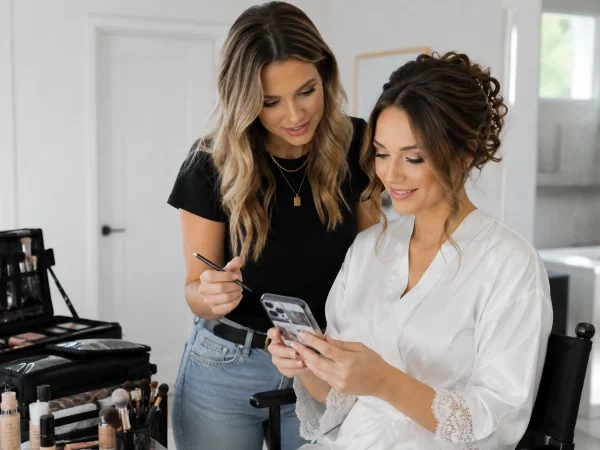
How Do You Choose a Makeup Artist Who Gets Your Vision?
Portfolio first. Always. Ask to see full wedding galleries, not just curated single shots. You want to see how their work looks on different skin tones, in different lighting, and across an entire day (getting-ready shots through reception).
Ask questions most brides don't think to ask. Can you do my trial under conditions similar to the wedding day lighting? What's your backup plan if I have a skin reaction? How do you adjust for photography vs. how things look in person? Do you bring airbrush equipment as an option?
A great artist won't just make you look beautiful. They'll match your personal style so precisely that you still look like yourself, just a polished, glowing version. If you look in the mirror and see a stranger, something went wrong.
Check their experience with weddings in your area. Featured wedding work in Washington DC tells you they understand the local venues, the humidity, the lighting conditions in specific ceremony spaces. An artist who's worked a hundred DC weddings knows things a generalist won't.
What Most Brides Wish They'd Done Differently
Three regrets come up again and again in every bridal community I've been part of.
First, not starting a skincare routine early enough. Wedding makeup can only do so much on top of dehydrated, irritated, or broken-out skin. The best foundation in the world can't fake healthy skin. Starting a simple routine 3 to 6 months before the wedding gives your artist a better canvas to work with.
Second, not communicating clearly during the trial. Saying "I want a natural look" means wildly different things to different people. Bring reference photos. Be specific. "I want my eyes to stand out but my skin to look like skin" is 10 times more useful than "keep it natural."
Third, try to DIY it. I get the appeal. But your everyday makeup routine and professional bridal application are completely different things. Pros use products rated for all-day wear, they understand how to color-correct for camera flash, and they've practiced on hundreds of faces. A 2025 national wedding survey of 10,474 couples confirmed that the vast majority of brides chose professional services for good reason. The ones who tried to save by doing it themselves frequently reported stress and photo disappointment.
The Bureau of Labor Statistics projects 5% job growth for cosmetologists and makeup artists through 2034, which is faster than average. Demand keeps climbing because brides keep learning the same lesson: this isn't the place to cut corners.
Personalizing Your Look Without Losing Yourself
Your wedding makeup should feel like an amplified version of you. Not a costume.
A skilled artist will build a custom color palette around your skin tone, your dress, your venue's color palette, and your personal comfort level. Some brides want bold red lips and dramatic lashes. Others want barely-there coverage with a focused glow. Both are right. The only wrong answer is wearing a look that doesn't feel like yours.
If you've been browsing through bridal portfolios, you've probably noticed how different each bride looks. That's the whole point. Cookie-cutter bridal makeup is lazy work. A real professional treats every bride as a unique project, and the difference shows in the photos.
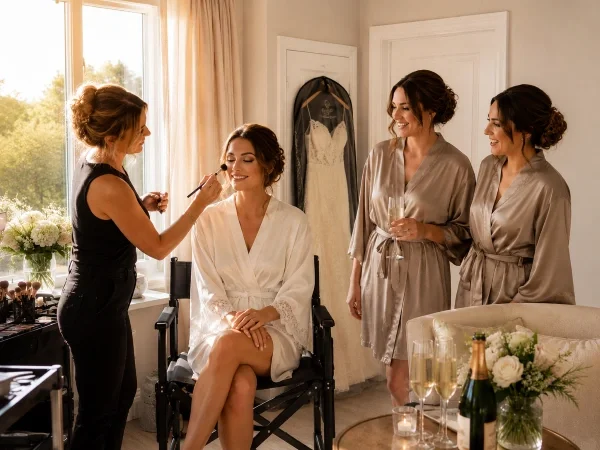
Your Wedding Morning Sets the Tone
The getting-ready window is the first chapter of your wedding story. Photographers shoot it. Videographers film it. And most importantly, it's the last stretch of calm before everything starts moving fast.
If you're stressed about your makeup during that window, the stress bleeds into everything. Your shoulders tighten. Your smile looks forced. You rush the moment instead of enjoying it.
But if you're sitting in a chair with an artist you trust, wearing a look you've already approved, listening to music with your bridesmaids while someone else handles the details? That's a completely different energy. And it shows. In the photos, in your posture, in the way you walk down the aisle.
I've seen it dozens of times. The brides who invested in professional wedding makeup didn't just look better. They felt better. And that confidence carried them through the entire day.
If you're planning a wedding in the DC area, reaching out to a bridal team early gives you the best shot at booking the artist and trial date you want. The good ones fill up fast, especially during peak season.
NR Beauty Co. specializes in exactly this kind of bridal experience for Washington DC weddings.
FAQs
Does wedding makeup actually make you more confident on the day?
Yes. A 2024 study in the International Journal of Advanced Research confirmed that makeup increases self-confidence and improves social perceptions, especially when worn by personal choice rather than external pressure. On a high-stakes day where you're the center of attention for hours, knowing your look is locked in removes a major source of anxiety. That mental shift shows in your body language, your smile, and your photos.
Why is a bridal makeup trial so important?
The trial is where you and your artist test colors, techniques, and products on your specific skin under realistic conditions. It catches problems like allergic reactions, product breakdown, or color mismatches weeks before they matter. Brides who skip the trial are gambling on a single untested attempt for the most photographed day of their life.
How long does professional wedding makeup last?
Professional bridal makeup using long-wear or airbrush formulas typically lasts 10 to 14 hours with minimal touch-ups. The key is matching the application method to your venue conditions. Airbrush holds up better in heat and humidity, while traditional application with proper setting products works well for indoor ceremonies.
Can wedding makeup still look natural?
Absolutely. A skilled artist can create a "your skin but better" finish that looks natural in person while still showing up beautifully on camera. The trick is specific communication during your trial. Saying "I want my skin to look like skin, not like I'm wearing foundation" gives your artist a clear direction.
Should I do my own wedding makeup to save money?
Most brides who DIY their wedding makeup report higher stress levels and disappointment with photos. Professional artists use products designed for all-day wear, they understand color correction for camera flash, and they've applied bridal makeup on hundreds of faces. A 2025 national survey of 10,474 couples showed the overwhelming majority chose professional services.
How far in advance should I book a wedding makeup artist?
Book 6 to 12 months before your wedding date, especially for peak season (May through October). Popular artists fill their schedules quickly. Booking early also gives you time to schedule a trial 4 to 8 weeks before the wedding.
What questions should I ask a potential bridal makeup artist?
Ask to see full wedding galleries across different skin tones and lighting. Ask if they can do a trial under conditions similar to your venue lighting. Ask about their backup plan for allergic reactions or skin issues. Ask whether they bring airbrush equipment. These are questions most brides don't think to ask, and the answers tell you everything about how prepared the artist is.