

Wedding Makeup Mistakes Your Artist Wishes You'd Stop
The biggest wedding makeup mistakes don't happen on the morning of your ceremony. They happen weeks or months before, during decisions you didn't realize mattered. Skipping a trial, ignoring your skin, chasing a TikTok trend that doesn't match your face. Recent industry survey data shows roughly 72% of couples hire professional beauty artists for their wedding day. But hiring a pro doesn't mean you can check out of the process entirely.
Wedding makeup that photographs well, lasts 10+ hours, and actually looks like you require planning on your end too. I've watched brides sabotage great artists by showing up unprepared, and I've seen prepared brides turn a decent artist into a magician. The difference isn't luck.
Here are the 10 mistakes that keep coming up, and what to do instead.
Why Does Wedding Makeup Start Months Before the Wedding?
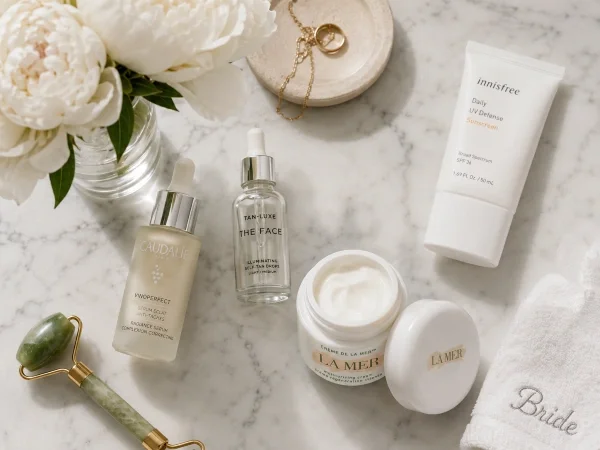
Your artist can't fix neglected skin in 45 minutes. Wedding makeup sits on top of whatever you bring to the chair, and rough texture, dehydration, or active breakouts will show through any foundation.
Start a consistent skincare routine at least six months out. The American Academy of Dermatology recommends a simple daily approach: gentle cleanser, moisturizer, and broad-spectrum SPF 30 or higher. If you have specific concerns (acne scarring, hyperpigmentation, rosacea), book a dermatologist appointment at the 12-month mark so treatments have time to work. The FDA's Modernization of Cosmetics Regulation Act has tightened safety standards on the products touching your skin, which is a good reason to ask your dermatologist about ingredient interactions before layering new serums.
Don't try a new product within four weeks of the wedding. Allergic reactions and breakouts don't care about your timeline.
Hire for Chemistry, Not Just Talent
A technically skilled artist who makes you uncomfortable will ruin your morning. You're spending the most emotionally charged hours of your day with this person. If the energy is off, you'll feel it in your shoulders, your jaw, your face.
Look through portfolios, yes. But also pay attention to how an artist communicates during the booking process. Do they ask about your vision, or just send a contract? A bridal hair and makeup team in Washington DC that takes time to understand your personality will outperform a technically superior stranger every time. I've seen this play out dozens of times. Rapport isn't a bonus. It's the foundation.
Is Skipping Your Wedding Makeup Trial Worth the Risk?
No. Full stop.
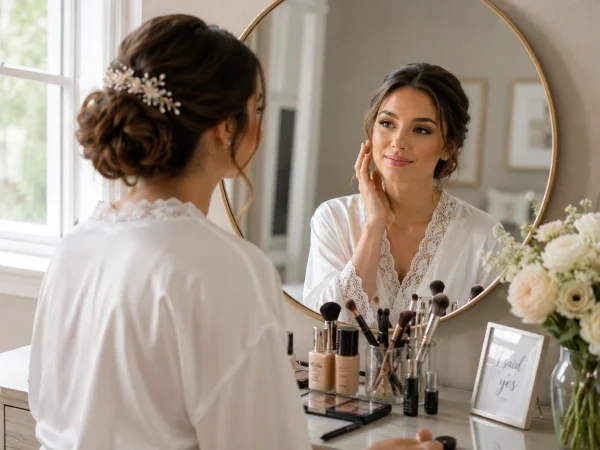
A trial lets you test your look under real conditions: how the foundation reacts to your skin's oil production over several hours, how colors read against your dress fabric, how everything holds up in natural light versus flash. Brides who skip trials to save money almost always regret it. Your wedding day is not the time for experimentation, and 45 minutes in a chair that morning isn't enough to troubleshoot.
Book your trial three to six months before the ceremony. Wear a white or off-white top. Bring reference photos, but stay open to your artist's feedback. Take photos in multiple lighting conditions afterward and live with the look for a few hours before deciding what to adjust.
Stop Chasing Viral Makeup Trends for Your Wedding
That TikTok blush placement looks incredible in a ring light at arm's length. It won't necessarily translate to your ceremony photos taken from 30 feet away in mixed venue lighting.
Trends serve content creators. Your wedding makeup serves you for one specific day, in one specific setting, captured by one specific photographer. If a trend happens to align with your natural features and your venue's lighting, go for it. But chasing a look just because it's popular right now is how you end up with photos that feel dated within two years. Classic looks hold up. That's not a conservative opinion. It's pattern recognition from years of watching wedding albums age.
Your Wedding Day Isn't the Time to Reinvent Yourself
If you've worn minimal makeup your entire adult life, your wedding isn't the moment to go full glam. You'll feel like you're wearing a costume, and your guests will notice. The reverse applies too. If bold lips and defined eyes are your everyday, a bare "no-makeup makeup" look will feel like you didn't show up.
Your wedding day look should be the best version of what you already wear, not a departure from it.
Does More Product Mean Better Wedding Makeup?
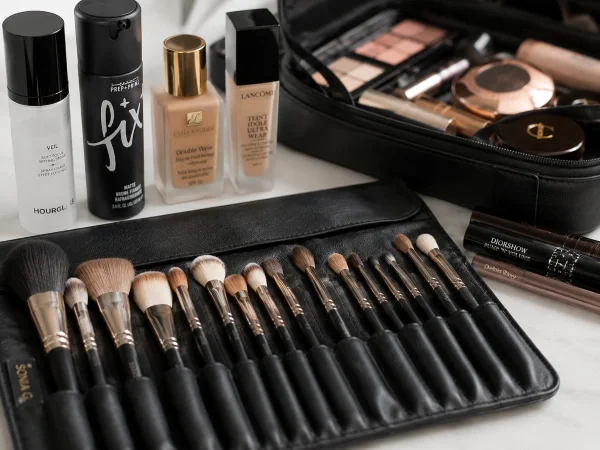
This is the most misunderstood part of bridal beauty. "More" on your wedding day doesn't mean more layers of foundation or heavier contour. It means more precision, more time, more technique.
A skilled artist achieves longevity through layering sheer coats, setting strategically, and using products designed for 8 to 12 hour wear. According to the Bureau of Labor Statistics, the cosmetology field (which includes makeup artistry) is projected to grow 5% through 2034, and that growth is driven by demand for exactly this kind of specialized skill. Piling on product is the amateur approach. Knowing when to stop is the professional one.
Trust Your Artist's Judgment (Even When It Feels Weird)
You know your face. Your artist knows makeup under stress, in heat, under flash, after tears, and across 12 hours of eating, drinking, and dancing. Those are different skill sets.
If your artist recommends a primer you've never heard of or a lip shade that looks weird in the tube, give it a chance during the trial. That's what trials are for. Organizations like the Professional Beauty Association exist specifically to advance education and standards in the beauty industry, and the artists who invest in ongoing training bring that knowledge to your chair. They've solved problems you haven't imagined yet.
Communicate your concerns. But don't overrule technique with preference when they conflict.
How Does Lighting Change Your Wedding Makeup?
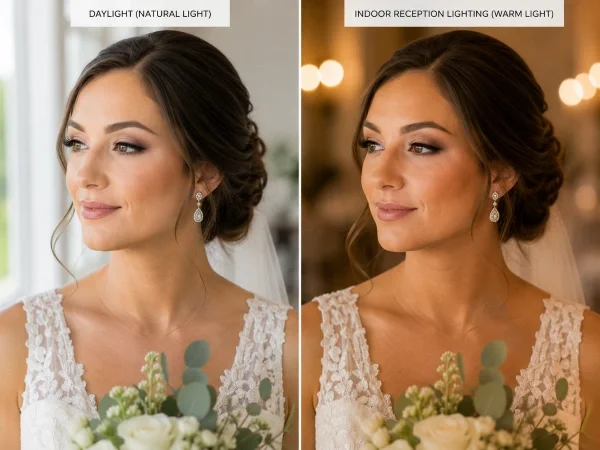
Dramatically. Makeup that looks flawless in your bathroom mirror can wash out in overcast outdoor light or look harsh under fluorescent reception hall fixtures. Flash photography introduces another variable entirely. Some powders cause flashback, a white cast in photos caused by light-reflecting particles like silica or titanium dioxide.
During your trial, test your look in at least three conditions: natural daylight, indoor artificial light, and camera flash. If your ceremony and reception happen in different spaces (which is most weddings), your artist needs to account for both. This is one of the biggest details brides overlook, and it's nearly impossible to fix after the fact.
Buy Your Lip Color Before You Walk Down the Aisle
Your lipstick will fade. You'll eat, drink, kiss, talk, and smile for hours. That's not a failure of the product. It's physics.
Ask your artist for the exact shade and brand they used. Buy it before the wedding day and keep it with your clutch or hand it to your maid of honor. Do a lip check after first-look photos, before the ceremony, and before the reception entrance. If you're going with a stain or tint, you might get longer wear, but even stains need refreshing after a full meal.
This takes two minutes and protects hours of photos. It's the simplest advice on this list, and brides skip it constantly.
Book Touch-Up Time or Pay for It Later
Your wedding makeup will move. Tears during the vows, sweat on the dance floor, humidity if you're outdoors. That's not a sign of bad artistry. It's reality.
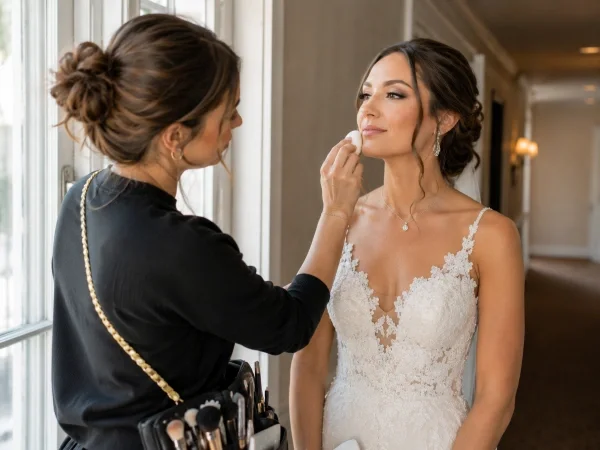
Most professional artists offer extended coverage where they stay past the morning session to refresh your look before the ceremony, after portraits, or into the reception. Not enough brides know this is an option, and fewer actually book it. At minimum, have your artist stay through the ceremony. The gap between initial application and your vows can stretch to four or five hours, and a quick refresh before walking down the aisle makes a visible difference in your photos.
Your wedding makeup matters because your photos last forever. But the mistakes that ruin it aren't dramatic. They're quiet, logistical, and preventable. Start your skin prep early. Book a trial you take seriously. Communicate with an artist you actually trust, and plan for touch-ups. Do those four things and the rest tends to fall into place.
FAQs
Do I really need a wedding makeup trial?
Yes. Skipping the trial is the single most common regret brides report to their artists. A trial lets you test foundation shade matching, product wear time, and how your look holds up in your venue's specific lighting conditions. Book it three to six months before the wedding so you have time to adjust.
How long does wedding makeup actually last?
Professional wedding makeup, applied with proper skin prep and setting techniques, should last 8 to 12 hours. Longevity depends more on your artist's layering method and your skin type than on any single product. Oily skin may need blotting or a midday powder refresh, while dry skin benefits from a dewy setting spray.
What should I bring to my wedding makeup trial?
Bring 3 to 5 reference photos showing the overall vibe you want (not just one single image), a white or off-white top that mimics your dress neckline, and any products you're loyal to as backup. Take photos in natural light, indoor light, and with flash afterward so you can evaluate the look across conditions.
Will my wedding makeup look different in photos than in person?
It can. Some powders contain light-reflecting particles like silica that cause flashback, a white cast visible only in flash photography. According to professional artists, this is one of the top issues caught during trials but missed when brides skip them. Your artist should test for flashback specifically.
Is airbrush wedding makeup better than traditional application?
Airbrush provides a thinner, more even layer that tends to last longer in heat and humidity. It also photographs well because it avoids the cakey buildup that over-powdered traditional application can produce. It's not always necessary, but for outdoor summer weddings or events over 10 hours, it's worth discussing with your artist.
Should I do my own wedding makeup or hire a professional?
Recent industry survey data shows roughly 72% of couples hire professional beauty artists. Professionals finish a full bridal look in about 45 to 90 minutes and calibrate for photography, venue lighting, and all-day wear. DIY is possible if you're highly skilled, but most brides who attempt it report higher stress and lower satisfaction with their photos.
How far in advance should I start preparing my skin for wedding makeup?
Begin a consistent skincare routine 6 to 12 months before the wedding. See a dermatologist at the 12-month mark if you have specific concerns. Stop introducing new products at least four weeks before the event. The FDA's MoCRA regulations have increased safety standards for cosmetics, making it easier to find properly tested products for sensitive skin.